How to Choose the Right Fly Fishing PFD
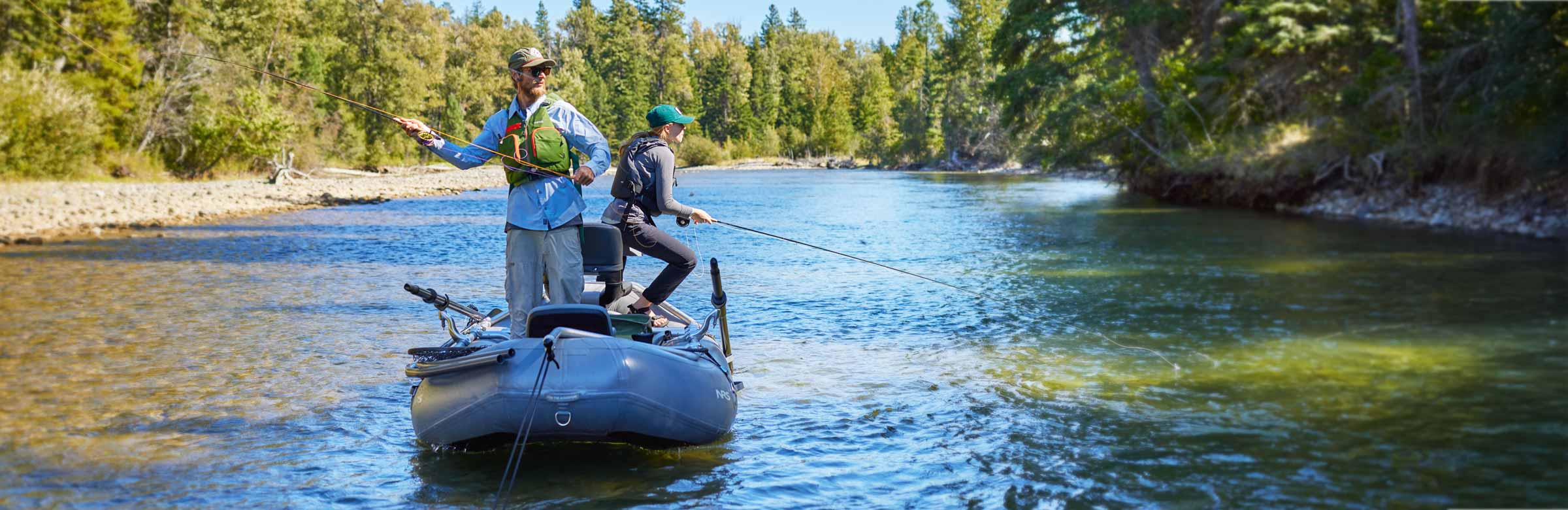
Fly fishing PFDs are one of the most versatile tools in an angler’s gear closet. Not only do they provide many of the same features as a traditional fly fishing vest—pockets for storage, integrated rod loops, attachment points for accessories and more—they also keep you safe when floating and wading.
Best of all, today’s PFDs fit better and are more comfortable to wear than ever before. Thanks to modern design elements like our Orbit Fit System™ and Every Body Design™, we’ve made it easy for every angler to find a PFD that’s comfortable and fits well. Maybe you’ve heard the saying: “the best PFD is the one you’ll wear.” Challenge accepted.
In this guide, we take a look at the different types of fly fishing PFDs and their strengths. Whether you’re primarily a wade angler or you prefer to fish from a boat or kayak, a PFD is a critical piece of gear you shouldn’t leave home without.
Types of PFDs
Fly fishing PFDs come in a variety of styles, so it’s important to pick one that fits your unique approach to fishing.
Standard vs. High-Back
Standard PFDs are built with flotation material across the whole jacket, front and back, minimizing bulk while ensuring you still have enough flotation to pop you up quickly (and keep your head above water!) if you do go for a swim, no matter how much you cram into your pockets. A standard PFD will be your best bet if you regularly fish from a raft or SUP, or when you’re wading.
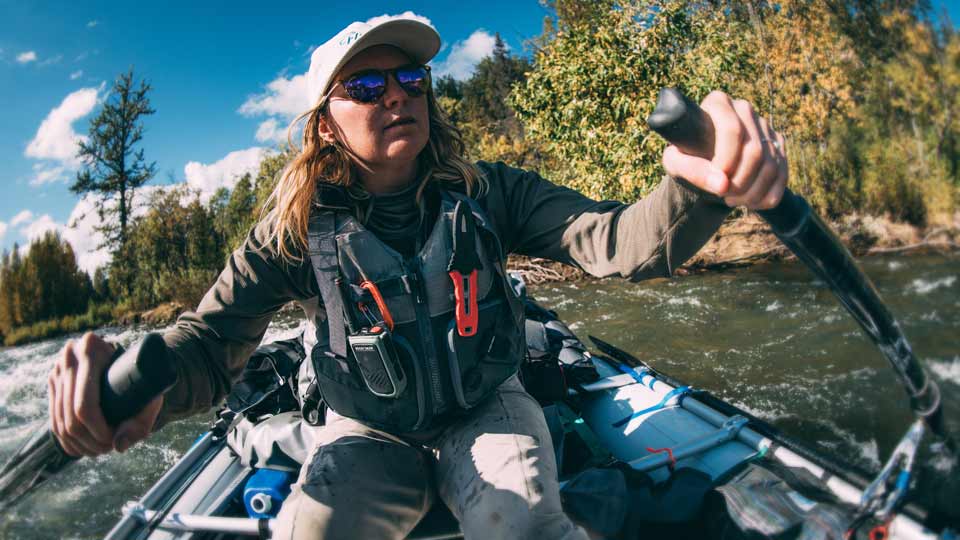
High-back PFDs consolidate the flotation material to the upper back, leaving the lower back free to rest snugly against the back of a seat. Best used when fishing from a drift boat, kayak or anything that has a proper seat, these PFDs will still keep you afloat during an unintentional dunking. An additional advantage of the high-back PFD is increased ventilation, a must when fishing in hot climates.
Standard vs. Inflatable
Instead of using traditional foam panels for flotation, inflatable PFDs use CO2 to provide adequate buoyancy—and only when needed. Typically, an inflatable PFD will have either a pull-tab or an automatic release that inflates the PFD when you hit the water. They’re often slim, designed to fit over layers without impeding movement, making them a great option for anglers who hike or bike to their destination or when storage space is limited.
The trade-off of an inflatable is that you lose many of the handy features that come with a standard PFD. Inflatable PFDs don’t typically have pockets, lash tabs or other quality-of-life features found in standard or high-back PFDs.
Inflatable PFDs have their place, but standard PFDs are likely a better choice for the majority of fly anglers.
Key Details to Consider
Now that we’ve looked at the different types of PFDs, let’s break down the key details you’ll want to consider before making your decision.
Comfort
A PFD needs to be comfortable, straight up. If you’ve ever been on a guided river trip, you may have had the misfortune of wearing a rented life jacket for a day. It likely didn’t fit right, and was either too loose, too tight or so bulky that it felt like you were wearing a neck brace.
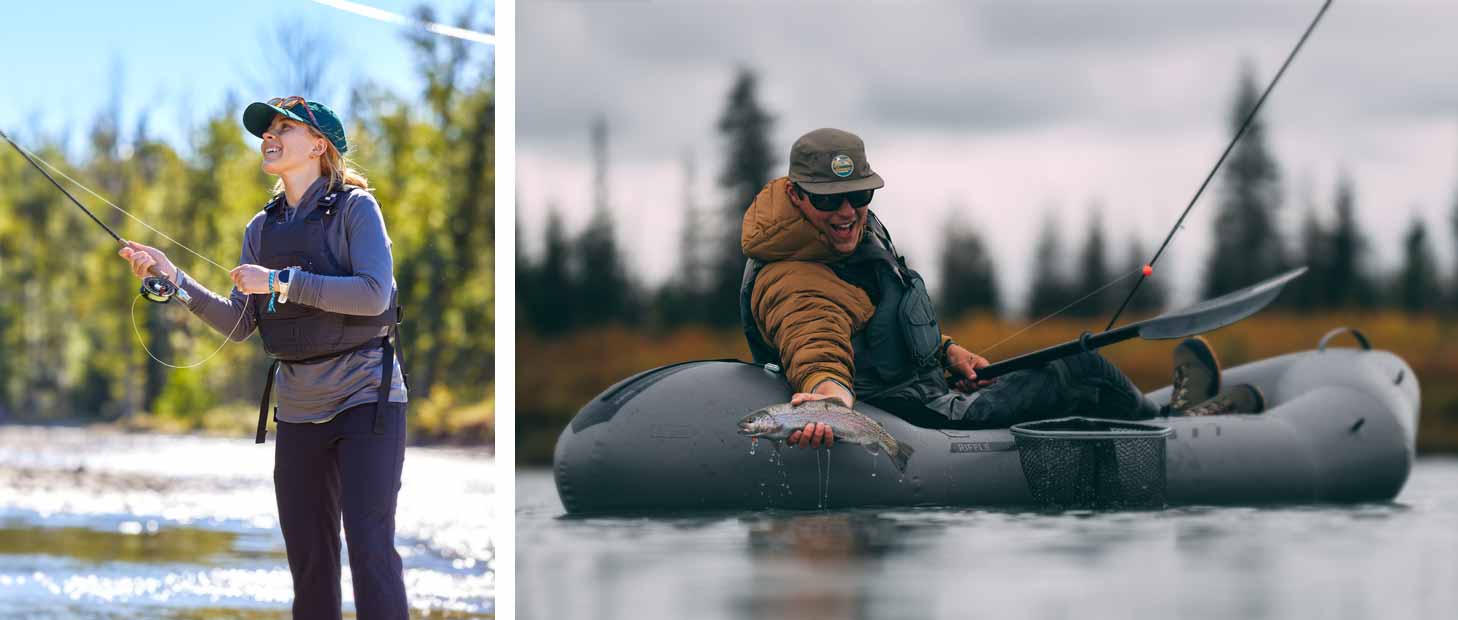
Modern PFDs address the issue of comfort head-on. No need to throw a PFD on but leave it unzipped or unbuckled. Thanks to innovative technologies like our Orbit Fit System™ and Every Body Design™, it’s never been easier for anglers to find a PFD that fits them well. Remember, a good fly fishing PFD will be comfortable and won’t impede your ability to row, steer, cast, hook and land fish, even when worn properly.
Storage
Second only to comfort is storage. A great PFD needs to be functional. Fortunately, many of today’s PFDs feature a variety of storage options for stashing your fly boxes, floatant, leaders, tippet, nippers and more. Take time to think through the pocket layout, arranging accessories in a way that suits your needs.
Many fly fishing PFDs also provide various lash tabs and attachment points for mounting accessories like whistles, knives, strobes, etc., for additional safety and customization options.
Safety
Fly fishing PFDs can do more than just keep you afloat: they also make you more visible to other boats and marine traffic. Some are designed specifically for offshore use, with reflective material to make you as visible as possible per Coast Guard regulations. These often include pockets sized specifically for GPS devices and VHF radios and may be compatible with a hydration system.
You might be wondering, “These things are expensive! Can’t I just buy a used PFD off eBay or Facebook Marketplace?” Our answer is, “sure can,” but take into consideration age and wear and tear. Over time, the foam inside a PFD will compress and degrade, reducing flotation and efficacy in rescue situations. Always check to make sure you can read the inside label, and that there is no damage to any of the straps and buckles. Sunlight can also degrade fabric over time. Check for signs of obvious fading, tears and mold.
Pro tip: New or used—avoid putting your PFD away wet to keep you as safe as possible as long as possible.
Sizing
Getting the right fit is key, not only for the sake of comfort but also for safety. You’ll want your PFD to fit reasonably snug once all the straps have been cinched to prevent it from coming off or riding up when in water. Snug doesn’t need to mean uncomfortable. With Graded Sizing, our PFDs are built to scale in size and fit the needs of every angler. We’ve also reduced bulk around the ribs for easier casting and rowing by layering thin pieces of foam with our Orbit Fit System in both standard and high-back PFDs.
If you’re unsure which size of PFD will fit you best, reference the PFD’s sizing chart to determine your size. For a more personalized experience, consider stopping by your local gear shop or visit an NRS retailer to try some on.
Pro tip: Don’t stress over choosing a “Men’s” or “Women’s” design. Try them all on to see what fits—and feels—best. With Every Body Design, we’ve done away with arbitrary gender distinctions and focused on delivering comfort for every body type.
In Summary
In an emergency, the right PFD can save your life. Whether you’re just getting into the sport and choosing your first fly fishing PFD, or you’re a veteran looking to upgrade, make sure to choose a PFD that’s comfortable, functional and suits your needs as an angler. Once you’ve got your perfect PFD, don’t forget to bring—and wear!—it every time you hit the water. It’s well worth it.
 NRS Gift Card: Always Fits, Always Wanted