What to Wear Fly Fishing: A Complete Guide
Half the fun of fly fishing is getting into the weeds with your gear. But it’s not just your rod, reel, line and flies that’ll make or break a day on the water. Choosing what to wear fly fishing can be the difference between being too cold to focus on a good drift or too hot to set the hook when a trout finally crushes your hopper.
Fly fishing requires spending time off the beaten path. But you don’t need to be off the grid to be exposed to the elements. Wind, rain, sun and bugs are common occurrences on the water, and having the right apparel for the conditions is as much about comfort as it is safety.
In this guide for what to wear fly fishing, we’ll look at the best apparel options for every fly fishing season and scenario.
Article Contents:
Essential Layers for Fly Fishing
Fishing apparel can be broken down into three main categories: base layers, mid-layers and outer layers. Combined, these pieces of gear provide anglers with a complete system ready for any condition.
Base Layers
Technical base layers are the core of any fly fishing apparel system, and are designed to be worn next to skin. Tops, bottoms, even socks and underwear count! Made from moisture-wicking materials, like merino wool or synthetics, they serve a dual purpose: to keep you warm and wick away moisture like perspiration.
Base layers are typically categorized by material type and weight (lightweight, mid-weight, heavyweight), letting anglers pick and choose the best option based on their environment and the conditions. Most can be worn alone, acting as sun protection and light insulation, or worn under a mid and/or outer layer for more adaptable and effective protection.
Merino wool is a very popular base layer for anglers and other outdoor sports. It’s a natural material that helps wick moisture, is relatively odor-resistant and helps trap heat in colder weather. Compared to synthetic base layers, merino wool can be more expensive. Merino is a great option for lightweight warmth any time of year, but if you think you’ll spend a lot of time in the water, consider packing a spare. Wool doesn’t dry as quickly as most synthetics and can be heavy when wet.
Other common materials include your classic “polypro,” or synthetic base layers. Many brands make their own version of a synthetic base layer, like Patagonia®’s Capilene® line. These perform many of the same functions as a merino top, wicking moisture and helping regulate body temperature. Advantages here are that synthetic layers are slightly more durable and may dry faster if saturated. Be warned: these thermals, even the ones with antimicrobial properties, are known to retain odors, even after washing.
Mid-layers
Mid-layers are typically worn over base layers. Designed to keep you warm when temperatures drop, they can be made of several different materials including fleece, down or synthetic insulation like PrimaLoft®. While mid-layers can be worn on their own, pairing them with a base layer helps wick moisture away from your body while also keeping you warm. Some even have wind-break capabilities.
Look for a mid-layer that is packable and won’t impede your mobility. And of course, consider the conditions. If the weather calls for rain, maybe opt for fleece or a synthetic puffy instead of your favorite lightweight down jacket. A softshell might be great while hiking up a streamside trail but might not be as effective floating downstream.
Outer Layers
Outer layers are the final piece of the fly fishing apparel puzzle. As their name implies, these are the outermost layers and your last line of defense against the elements. Common outer layers include rain jackets, splash tops, shells and windbreakers.
It’s worth noting that outer layers are frequently marketed as waterproof or water-resistant. A water-resistant outer layer typically features a treatment that repels water for short periods of time but is not fully waterproof. For soaking rains, opt for a fully waterproof jacket. If this jacket will only be worn fishing, consider sizing up to make it easy to throw on without having to remove your PFD.
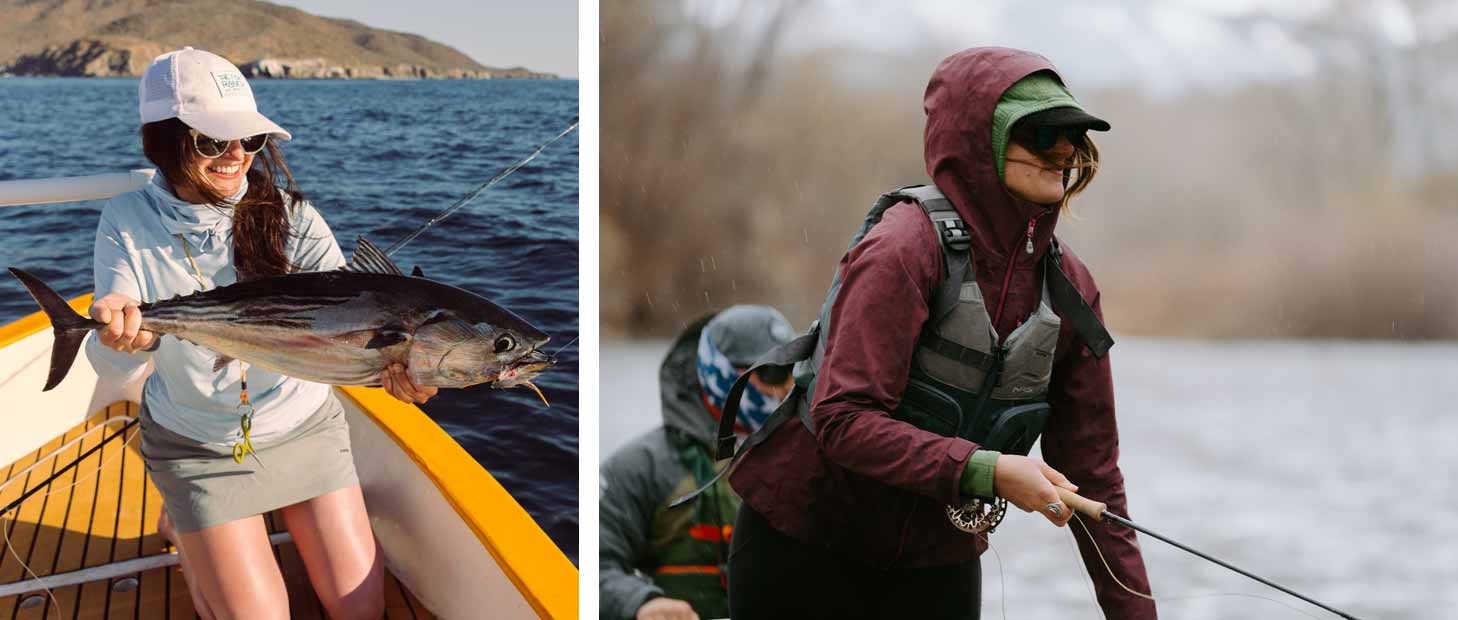
As the seasons change, so will what you wear fly fishing, from your base layers to the accessories. Follow along as we break down what and when to wear on the water.
Summer Fly Fishing Apparel
Once summer rolls around, pack away the mid-layers and reach for your lightweight gear instead. High sun and warm temperatures make protection from harmful UV rays a priority. The best summer fly fishing apparel pieces will keep you protected and cool at the same time.
Key Gear
- Moisture-wicking sun shirts
- Lightweight pants and shorts
- Neoprene socks
- Sun gloves and sleeves
- Sun hats
Moisture-Wicking Sun Shirts
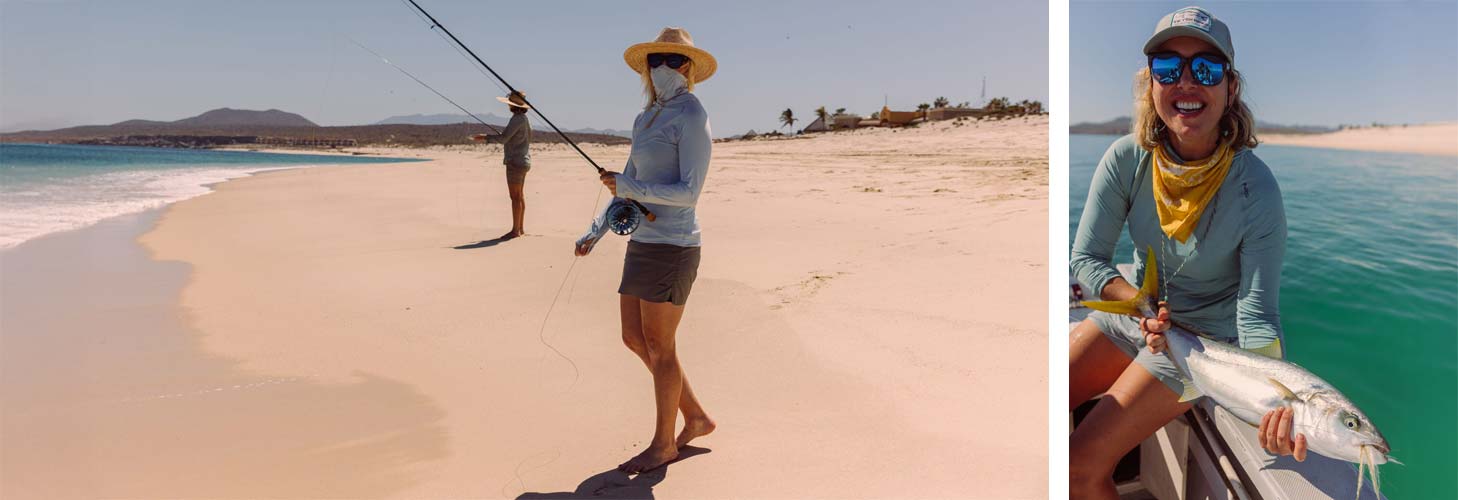
The biggest concern for anglers fishing in the summer is staying protected from the sun while remaining cool. That’s where moisture-wicking sun shirts come into play. Instead of sunscreen, these UPF-rated shirts keep the sun's rays off your skin. Sun shirts are broken down into two general categories: hoodies and button-down shirts.
Items like the NRS Silkweight line are built with fabric that works to actively cool you and wick away moisture and provide sun protection to boot. Anglers should opt for a hoodie when maximum sun protection is a must. The hood keeps the sun off your neck, and the built-in thumb holes keep UV rays off your hands. Many hoodies even integrate a face mask for added coverage. This is a great option for the hottest days of the year, whether poling a flats boat or rowing the river.
If you want more pockets and a traditional fishing shirt look, you can opt for a lightweight button-down like the Long Sleeve Guide Shirt. Made with quick-drying fabric, you can take a swim (intentionally or otherwise) and not worry about staying soggy all day. Plus, you get the functionality of pockets to go with sun protection. Button-down shirts lack hoods and thumb holes, making added protection, such as neck gaiters and sun gloves, a must.
Lightweight Pants and Shorts
That quick-drying fabric is indispensable in your pants and shorts. The last thing you want is to make the hike back to your truck with heavy, wet clothes that stay damp the whole way home. Look for quick-drying fabric that’s also abrasion-resistant, so you won’t need to worry when scrambling down a steep bank or busting through thick willows on the way to your favorite spot. Something with a little stretch goes a long way when the walk-and-wade leaves the flats behind.
Wet Wading Neoprene Socks
If you’re the type who enjoys wet wading (ditching your waders entirely), then you’ll also want to pick up a pair of neoprene socks. You have a few different options here, but your best bet is probably the Boundary Sock. These are calf-high, so they’ll keep debris out of your wading boots while keeping your feet fairly warm. The 3 mm neoprene is a similar thickness to many wader boot-feet, so they should comfortably fit in your wading boots.
Sun Gloves, Neck Gaiters and Sleeves
If you’d like to add a bit more sun protection for those brilliant summer days, key accessories like sun gloves, neck gaiters and sleeves will round out your summer fly fishing apparel.
A good pair of sun gloves will be fingerless, so you can still tie knots, open drinks and feel the fly line between your fingers. Another advantage? No more sunscreen on your hands! They also offer added grip and blister protection, perfect for rowing a boat, especially if your hands are sweaty or wet.
The last piece of summer fly fishing apparel is sun sleeves. These are perfect for anglers who want the lighter weight of a short-sleeve shirt and the sun protection of a long sleeve shirt. Roll them down or take off as needed. Sun sleeves aren’t just for sun: they bring the added bonus of forming a barrier between your arms and mosquitoes or a particularly vicious blackberry bush.
Top off your look with a good pair of polarized sunglasses (go for a pair that floats, or pair with a Croakie to prevent any mishaps) and a hat to reduce eye fatigue and get a little additional sun coverage. For those looking for a complete sun protection system, consider wearing a neck gaiter. Regardless of whether you wear a sun hoodie or a button-down shirt, neck gaiters give your neck added protection. Dip them in the water before putting them on for extra cooling power.
Fall Fly Fishing Apparel
Cool mornings, mist rising on water, changing leaves, salmon spawning… Fall is many an angler’s preferred time to fish. Dress for the season with adaptable layers that can cover all the bases from warm, summer-like days to a wintry mix.
Key Gear
- Moisture-wicking shirts and pants
- Packable warmth
- Flannel
Moisture-Wicking Shirts and Pants
Fall might be the hardest season to gear up for. On the one hand, you can have brilliantly warm days that call for the same gear you used all summer. On the other, you may end up in a snow squall or sudden downpour that drops the temperature well past what’s comfortable for summer apparel.
You’ll still want moisture-wicking shirts and pants this time of year, because as you’re hiking, fishing and wading, it’s still warm enough to work up a sweat. On chillier mornings or after-work hustles, opt for a slightly heavier base layer, such as a lightweight fleece, that can provide a bit of stand-alone warmth but is light enough to work well under a lightweight rain shell if you get caught in a squall.
Don’t forget about your lower body! Layering a lightweight fishing pant or fleece bottom under your waders is a great way to add warmth with minimal weight.
Packable Warmth
If you plan to fish from dawn to dusk, you’ll want some packable warmth for the chilly mornings and evenings. Some of our favorite options are a thin synthetic puffy, down vest or fleece jacket that can compress to fit in a pack or dry bag.
Another great item to stash in your fishing pack is a beanie. Swap out from your favorite cap when the sun drops or the wind kicks up. Waffle knit, merino or fleece will all pack down small enough to shove in your pocket or PFD when not needed.
Flannel
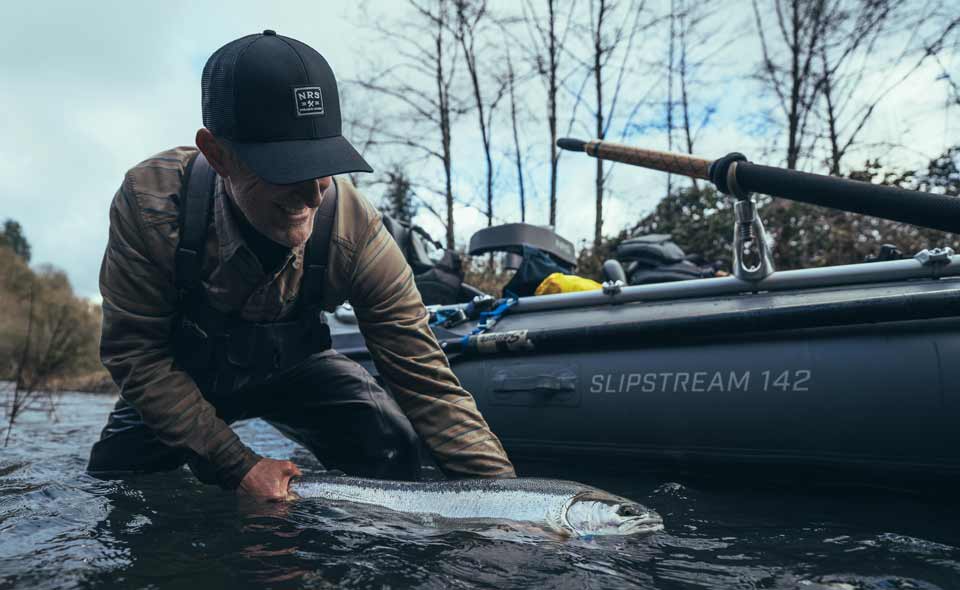
For those fall days that are a bit chillier, but you don’t want to add the bulk of a jacket, you can opt for a heavier-weight flannel fishing shirt. Good flannel will still be light but have plenty of loft for retaining warmth. And when it’s time to sit around the fire after a day of fishing, or head out to dinner, you’ll already be dressed for the occasion. Check your labels! If your flannel is made primarily of cotton, leave it in the truck until you’re back on shore.
Winter Fly Fishing Apparel
From base layers to outer shells, what you wear fly fishing in the winter should keep you warm, dry and protected from the elements.
Key Gear
- Base layers
- Insulating mid-layers
- Windproof outer layer
- Accessories
Base Layers
Base layers are the foundation of what you’ll wear fly fishing in the winter. Winter is when you’re likely looking at mid to heavyweight layers, which focus on insulation, versus lightweight or ultralight.
You’ll also want something with plenty of flex and movement. Fly fishing, even in winter, isn’t a static sport. Between wading, hiking around obstacles and trudging through deep snow, you need base layers that move with you.
Wool is a popular base layer in every season, but it’s fairly expensive and has a reputation for not being as durable as synthetic alternatives. Fleece offers similar loft and warmth to wool with the durability of a synthetic material and comes in a variety of different weights. A gridded fleece, like the NRS Lightweight Fleece layers, will offer more breathability for warmth without bulk. They also feature a high-stretch fabric, so you’ll be free to move unimpeded.
If you are always cold no matter the weather, add a merino tank to insulate your core while keeping the arms free for casting. Even little items can make a difference. Try wool socks inside your boots or merino underwear to keep cozy when targeting winter trout.
Insulating Mid-layers
After your base layer, you’ll want something to help retain and trap all your body heat without locking in too much moisture. You have a few options, but it’s hard to beat the performance of fleece. And before you worry about this system being too bulky, these layers are typically thin and designed for this sort of use.
Your insulating mid-layer can take the shape of hoodies, jackets or even light coats. The Expedition Weight Pants and Hoodie are ideal offerings for anglers. Both are built with heavier-weight fleece, infused with spandex to provide adequate stretch, and perfect for laying over a lighter base layer.
If you find yourself frequently wading technical tailwaters in the winter, you’ll want the warmest gear you can get. The water in these rivers is often just above freezing, and sometimes wading to a spot is the only option. For this, consider a union suit. This one-piece fleece layer is available in both men’s and women’s. Wear it under waders and a jacket for maximum warmth. Add a lightweight base layer top or top with a synthetic puffy for bonus warmth.
Windproof Outer Layer
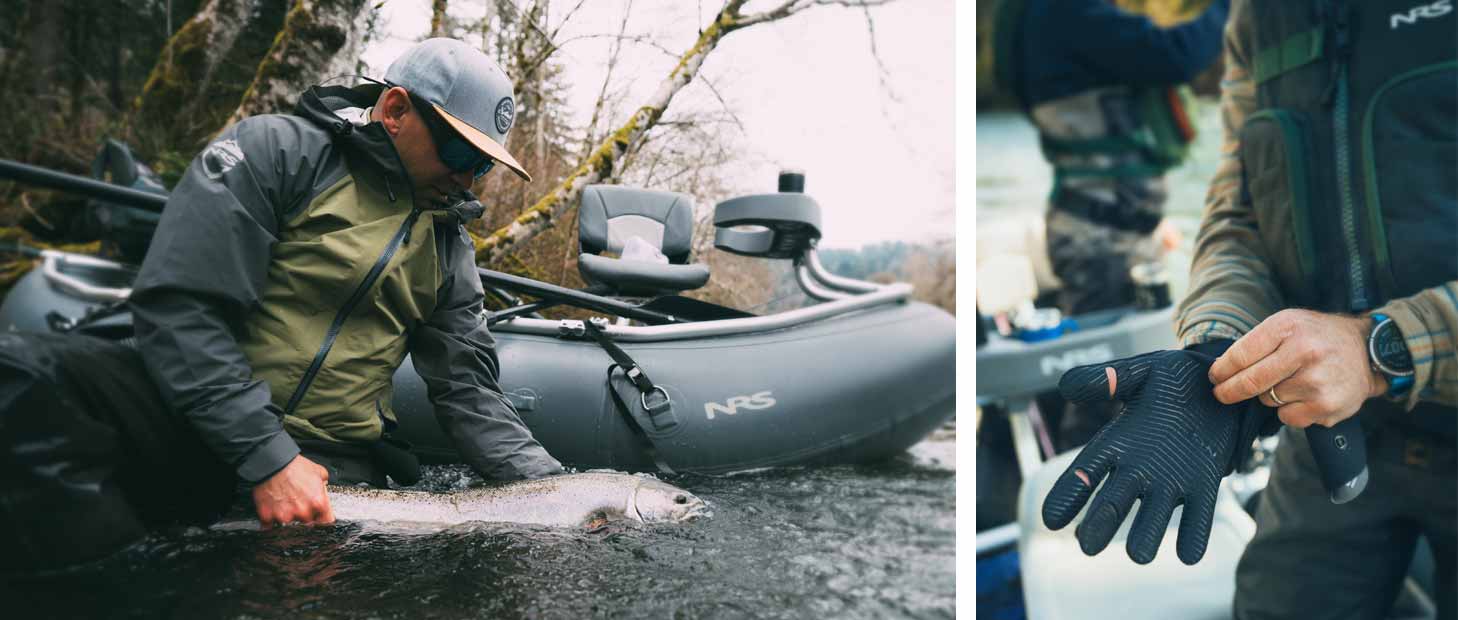
Any jacket marketed as waterproof will also provide great wind protection and serve as another layer for trapping heat. These layers can be overkill on warmer winter days, but this is why you bring layers! The trifecta of base layer, mid-layer and outer layer makes it easy to tweak your setup for the conditions on any given day.
With a good base and mid-layer system, paired with wool socks and a windproof shell (and, of course, your waders and boots), you’ll be in good shape for just about anything winter throws at you. A favorite beanie adds flair and warmth.
Spring Fly Fishing Apparel
Spring fishing requires adaptable layers that keep you warm during cool mornings, comfortable during warm days and protected from unexpected weather.
Key Gear
- Insulating mid-layer
- Rainproof outer layer
Spring Insulating Mid-layer
Warmth is still a key concern in the spring, but it’s less of a problem than staying dry. While layering is still a smart option, things have usually warmed up enough by spring that the base and mid-layer system you used in winter might be overkill.
Oftentimes, you can ditch the base layer and just wear your mid-layers directly underneath your waders. The wool socks can stick around, though, because even if the air temps increase, the water temps usually lag behind by at least a few degrees.
Spring Waterproof Outer Layer
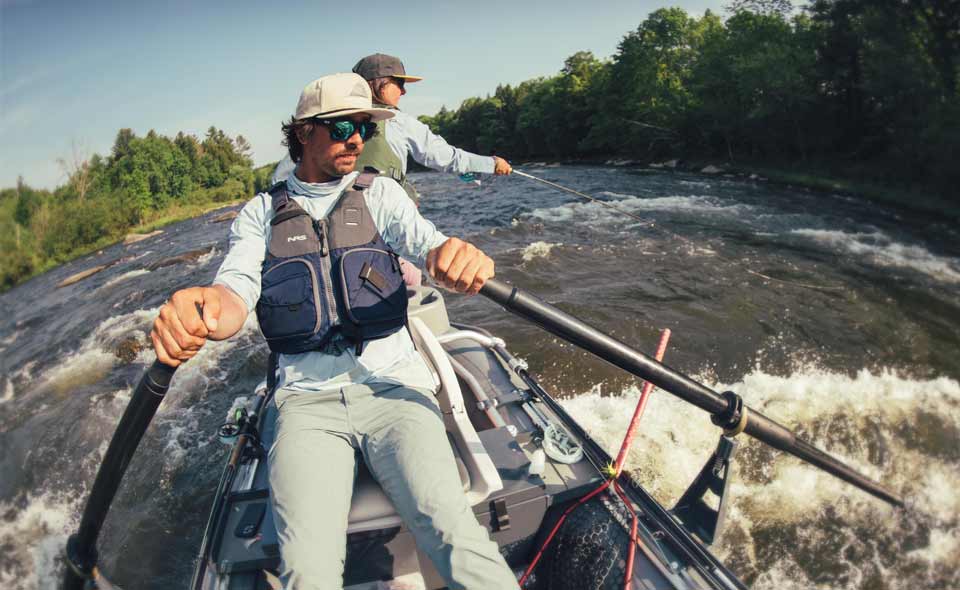
A completely waterproof outer layer is an angler’s best friend in spring. It’ll continue to trap heat on the chillier days, and once the rain starts falling, you’ll stay dry and comfortable. As spring temps warm, unexpected storms can pop up out of nowhere, so being prepared for rain is important.
Things to Consider When Choosing What to Wear Fly Fishing
Fly fishing apparel changes between locations and seasons. To get the most out of your wardrobe, it’s important to understand these key points and choose your apparel accordingly.
Location
Depending on where you fly fish, your apparel needs will change. For instance, anglers in the sweltering sun of the Florida Keys will have different needs than anglers targeting trout in alpine streams. Consider where you’re fishing and the climate, regardless of season, to dress properly for the elements.
Season
As the seasons change, so will your fly fishing apparel. Winter fishing calls for multiple layers to regulate body temperature, while summer fishing requires lightweight and breathable pieces of gear with a focus on sun protection. Spring and fall require adaptable clothing and layering systems that can keep you warm during the cold mornings and evenings but cool during the day.
Weather
Check the forecast before heading out. While it’s not always 100% accurate, it can give you a good sense of what you can expect to face while you’re out there. As always, it’s best to come prepared and expect the unexpected. Pro tip: Stash spare layers in a dry bag or box to keep them dry until you need them. Better safe than sorry!
Key Takeaway
From the easy-going, sunny days of summer to the more dynamic and challenging days of winter, knowing how to layer properly is your key to a comfortable day out. Keep in mind: we’re all a little different, so pay attention to which combination of layers works best for you. Last but not least, don’t forget your PFD (personal flotation device) when heading out on the water!
 NRS Gift Card: Always Fits, Always Wanted