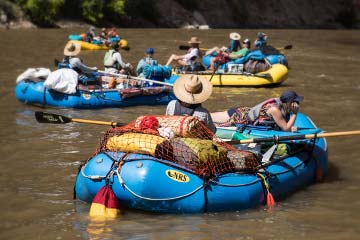
How to Boat Safely With Kids
Boating with kids helps instill a love of nature and teaches valuable outdoor skills. It’s one of life’s greatest joys. With that pleasure comes an awesome responsibility: keeping them safe. Kids are curious, spontaneous and carefree. They don’t give much thought to their safety, so it’s up to you to do that for them. They can learn safety practices, but that takes time; it takes vigilance on your part to make sure they’re doing the right things.
Here are some essential tips and suggestions on how to keep your child safe when boating.
Article Contents:
Essential Kids’ Boating Safety Gear
Before you hit the water, take stock of your safety gear and make sure you have the appropriate equipment and apparel for your kids.
Life Jackets
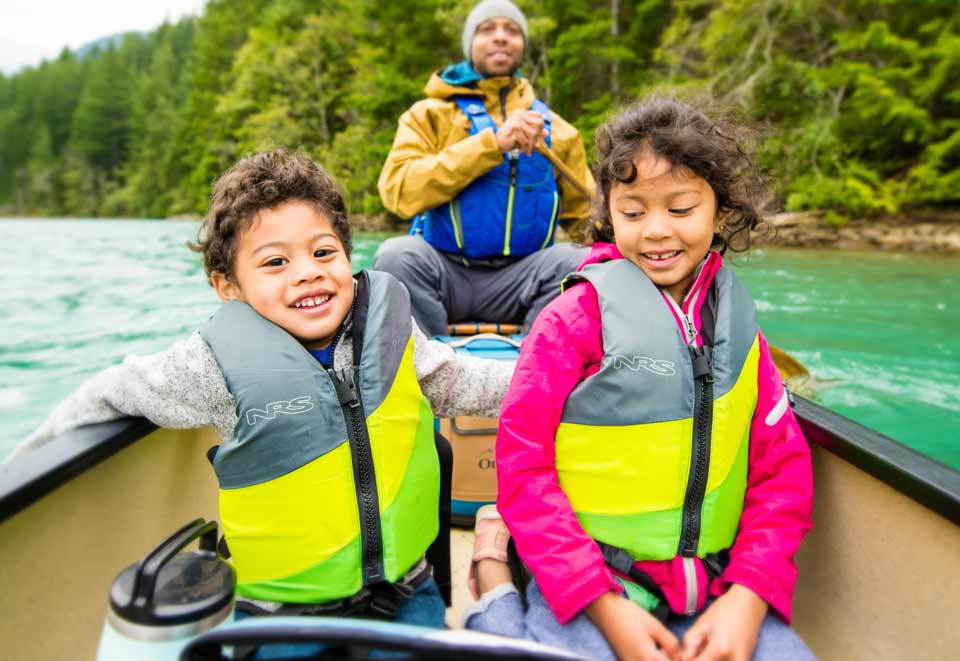
This is the most important safety gear for any boater, but especially for kids. Here’s what you need to know:
- PFDs designed for young people are sized by weight range, not chest size or any other metric. Kids’ growing bodies are so variable that one 60-pounder may be a tall, skinny beanpole, while another may be short and stocky.
- Choose a US Coast Guard approved life jacket that fits their body well. It’s unsafe to choose one with a sloppy fit that they’ll “grow into.” They’ll probably need several different sizes over the years. Don’t skimp on this—it’s a wise investment in their safety.
- Make sure all the PFD’s adjustment points are snug, starting with the lowest one and working up from there. Then, check for the proper fit by picking the child up by the shoulder straps of the jacket. If the fit is right, the child’s chin and ears won’t slip through. Some jackets come with leg straps that help prevent ride-up.
- When you have a good-fitting life jacket, make sure they wear it! Insist they have it on any time they’re on the water or playing near shore. You can’t watch them every minute and it only takes that long for them to get into trouble.
Insulating Layers
Nobody likes to be uncomfortable on the water—especially kids! Keep in mind that even on a beautiful sunny day, the weather can change drastically in a short period of time. Pack appropriately and make sure to bring an assortment of layers to help keep kids safe and comfortable.
- Keep them warm or cool, depending on the conditions. Waterproof raingear and multiple layers of synthetic fabric garments are essential when the weather is wet and cold.
- Remember to also pack warm booties, gloves and headgear. When it’s sunny and warm, cover them up with broad brimmed hats and protective clothing.
- Young bodies get cold. Protect them with layers appropriate for the conditions. Synthetic fabrics are best—avoid cotton. More and more outdoor apparel pieces are being sized for kids.
- Protect their fragile feet by having them wear shoes when on the water or playing in camp.
Sun Protection
Protecting kids from harmful UV rays is a must. Remember, it’s possible to get a sunburn even when it’s cloudy.
- Before they head outside, apply water-resistant sunscreen and re-apply often, especially after swimming.
- Many outdoor apparel pieces are made with materials that give excellent sun protection. Look for garments that have an Ultraviolet Protection Factor (UPF) rating of 30 or higher.
- Brimmed hats offer good shielding for face and ears. If they’re wearing a ball cap style of hat, don’t forget to apply sunscreen to the tops of ears.
- Good quality sunglasses protect the eyes from the dangerous glare that comes off the water.
Dangerous Plants, Bugs and Animals
The outdoors has all kinds of stinging, biting insects and animals. Teach children to watch where they walk and put their hands.
- In areas with poisonous snakes, extra care needs to be taken to educate kids on how to avoid encounters with these dangerous reptiles.
- Insect repellents can help keep the bugs at bay. Choose ones made for kids’ sensitive skin.
- It’s a good idea to pack a children’s antihistamine in your medical kit in case of adverse reactions to bug bites or bee stings. If your child has a bad reaction, consult your doctor for future treatments.
- If poison ivy/oak grows where you boat, teach them how to recognize it. If they do come in contact, wash quickly with soapy water. Remember that if pets run through the plants, kids can pick up the oils from their fur.
Best Practices for Boating Safely With Kids
It’s wise to spend some time building up their skills and confidence in a low-stakes environment before you take them on bigger water.
- Help your child become comfortable with boating and with water. Make sure they learn to swim. Go out with them and float through some mild rapids. Explain the safe way to do it—on the back with feet downstream. Talk about breathing in the wave troughs and holding their breath when they get splashed. Hold their hand and float through some waves together.
- Start out slow and let your child set the pace. It’s important not to scare them and for them not to have a bad experience. As they learn these skills, their confidence will grow and you will be more comfortable taking them with you on trips.
- While you’re drifting along, let them float near the boat in safe stretches. Let them swim to the boat and practice climbing or being pulled into the boat.
- Explain to your child what to do in case of accident or upset while on the water. Going over possible scenarios will build their confidence and help them react correctly to an emergency.
- A great training tool is to find a Class I stretch of water without any dangers below. Make a “game” out of having them float through the gentle waves on their backs, feet downstream. Practice tossing them the throw rope and pulling them to shore. They’ll have a blast while you’re teaching them valuable skills.
What to Do—and Avoid—When Boating With Kids
Here are some key details to keep in mind for a safe, manageable and fun boating experience.
- When planning to take your children on a stretch of water, think of the worst things that could happen. Can you and your children handle those worst-case emergencies? If the answer is no, choose different water to boat.
- Never tie a child into a boat; in the event of an upset, they’ll be trapped. In a raft, have them sit next to an adult who can hold onto them or help them hold on through any rapids.
- If they’re in their own kayak or IK, have them stay close to other experienced boaters and upstream of a rescue boat in moving river waters. Make sure they wear a helmet.
- Boating is important to you and you’d like to have your children share it with you. If the child has a bad experience, a scary swim, gets really cold and miserable, you may damage your planned creation of a “boating buddy.”
- Sound advice for any moving water boating is: “Dress for a swim, rig for a flip.” Remember, you may or may not be able to assist your children if an accident occurs. Ensure their safety and enjoyment of your trip by preparing them to react to emergencies.
Boating Safety Tips for Infants and Small Children
The Bureau of Land Management in Colorado has the following suggestions for determining whether it’s safe to bring infants and small children on the Dolores River. These suggestions are a great general reference and may be applied to other rivers as well.
Infants and small children do not belong on the Dolores River if you answer NO to any of the following:
- Can your child climb in & out of a boat by himself/herself?
- Is your child strong enough to hold himself/herself in a moving or bouncing boat without being held by a parent?
- Does your child have the knowledge, strength and skill to get to shore or back to a boat if he/she has fallen overboard?
- Does your child have the knowledge, strength & skill to survive a swim in cold, moving water or rapids?
- Does your child have the knowledge, strength & skill to grab hold of a thrown rope?
The conditions on the waters where you plan to take your kids may differ from those on the Dolores. However, consider the worst-case scenario that you could face on your trip and ask yourself, “Can my little ones take care of themselves if this happens?”
If not, it may be best to consider an alternate activity or wait to introduce them to the river until they’re a little older and more capable.
Boating’s a great family activity. Make it safe for your kids and you’ll be preparing them for a lifetime love of the outdoors.
 NRS Gift Card: Always Fits, Always Wanted