How to Plan and Pack for Multiday Kayaking Trips
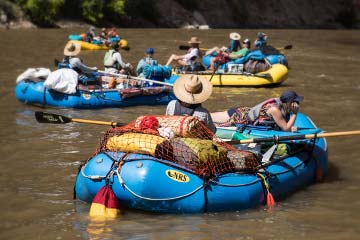
With the right preparation, a multiday kayak trip turns a simple paddle into a full-blown adventure. Whether you’re exploring calm inland lakes, running mellow rivers, or venturing along the coast, success comes down to smart planning, efficient packing, and the right gear.
Planning Your Trip
A well-organized trip starts before you hit the water. Meet with your group early to coordinate meals, transportation, and shuttles. Clarify shared equipment responsibilities and collect non-refundable deposits to reduce last-minute cancellations that complicate logistics.
If you’re exploring new territory, talk with paddlers who’ve been there and check for updated guidebooks, maps, and permit requirements. Break the route into manageable daily segments and plan for weather delays or wind-bound days. Always file a float plan with someone on shore.
Gear Essentials for Camp and Water
Multiday kayaking is part paddling, part backpacking. Choose compact, lightweight gear that stows easily. Core items include:
- Sleeping bag and sleeping pad
- Tent or tarp shelter
- Stove, fuel, pots, and utensils
- Matches and lighter
- Reusable water bottles or hydration system
- Water filter or purification method
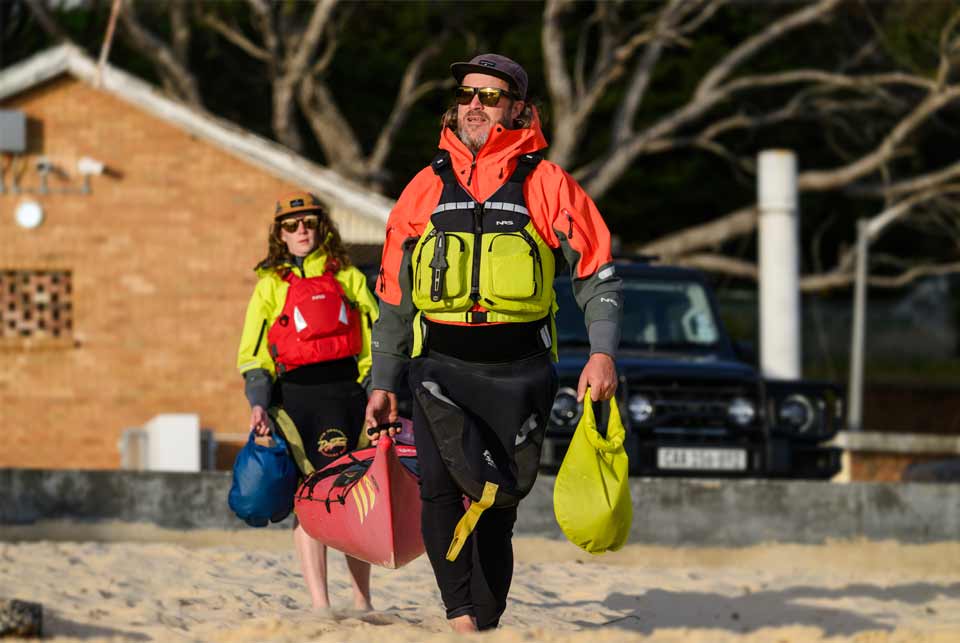
Add a lightweight camp chair for comfort. Keep essentials in small dry bags that fit the limited space inside your kayak. Label or color-code by use—sleeping, cooking, clothing—to simplify setup and teardown.
Food and Water
Think like a backpacker. Weight and volume matter, even on the water. Freeze-dried meals and dry packaged mixes simplify prep and cleanup. Fresh food works for the first day or two if packed in a small soft cooler with frozen items that double as ice.
Always bring more water capacity than you think you’ll need, and never rely entirely on natural sources. Hydration packs that attach to your PFD keep water accessible while paddling.
Packing Strategy
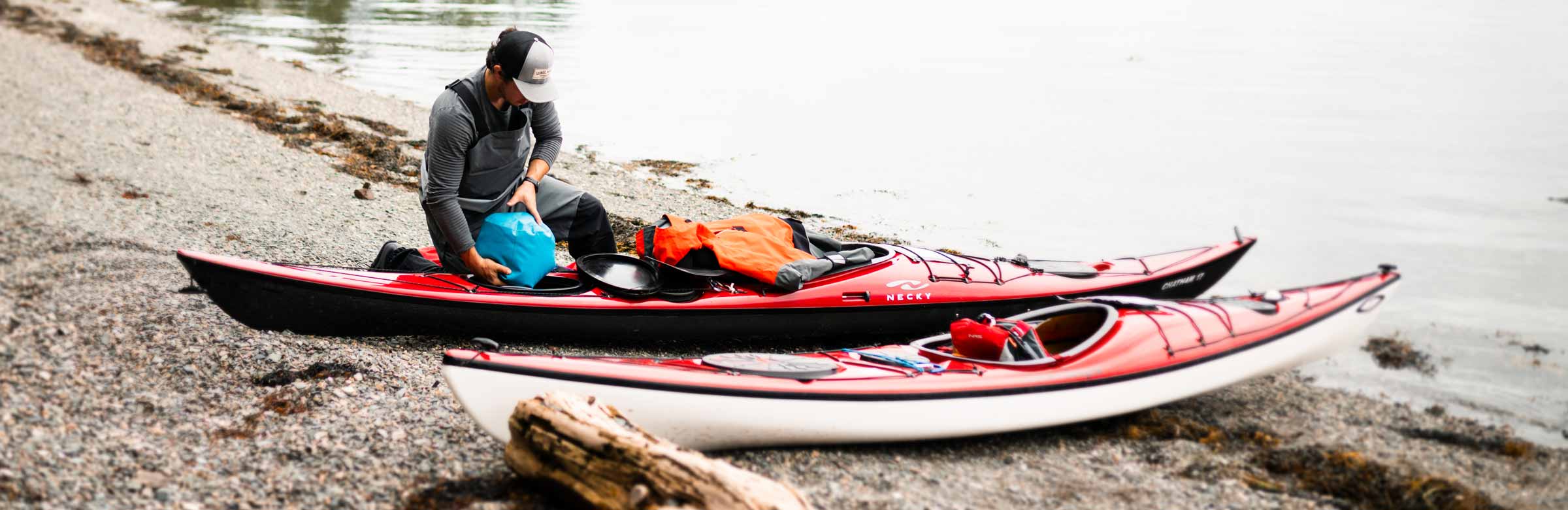
Kayaks handle differently when loaded for camping. Pack heavier items—food, water, stove fuel—low and centered. Lighter gear such as sleeping bags and clothing fits best toward the ends.
Use several smaller dry bags instead of a few large ones for better weight distribution and easier access. Remember that most kayak hatches are water-resistant, not watertight. Test-pack your boat before the trip and take a short paddle to fine-tune balance.
Safety and Comfort
Carry a headlamp or waterproof flashlight, a first-aid kit you know how to use, and an emergency bivvy or space blanket. A spare paddle and paddle float are basic insurance. Touring paddlers should consider a deck-mounted compass, paddle leash, VHF radio, or satellite communicator for remote trips.
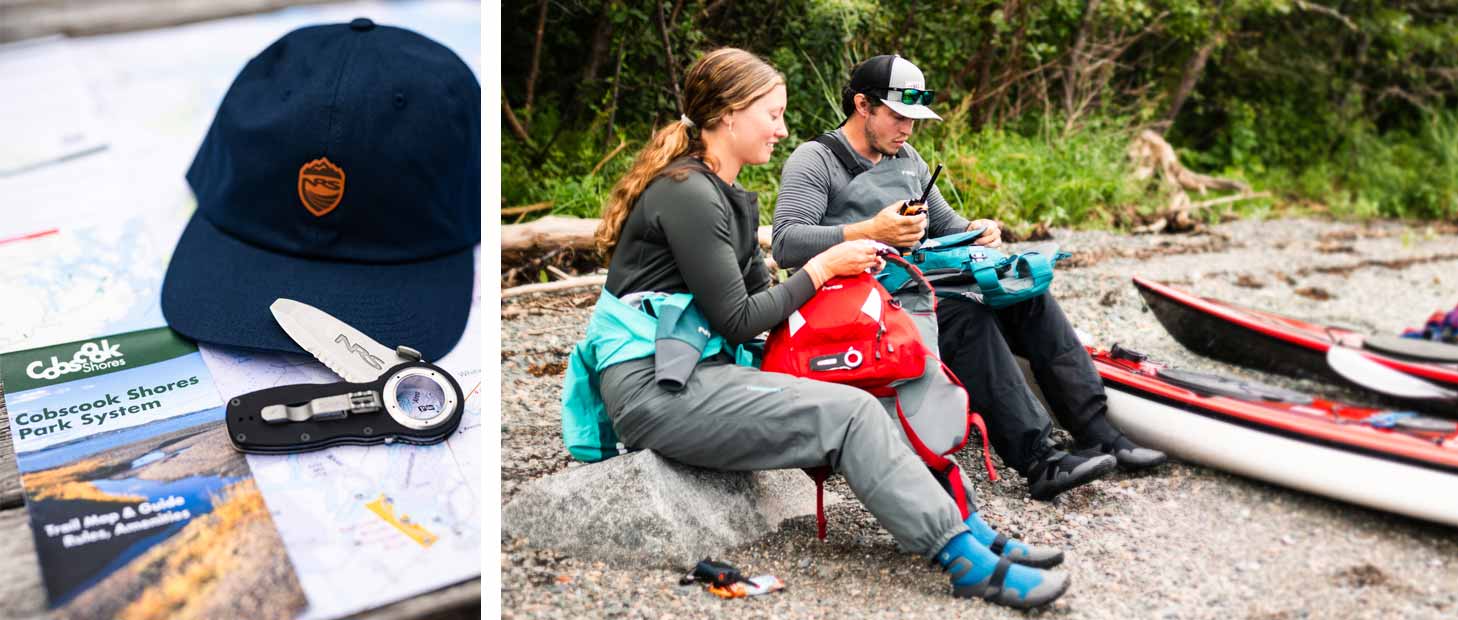
Dress for both air and water temperature. Typical layering includes:
- Dry suit, drytop, or dry pants
- Wetsuit or insulating base layers
- Splash jacket or breathable paddling jacket
- Neoprene gloves and protective footwear
Layering works for both paddling and camp comfort.
Special Considerations for Sea Kayaking
Sea kayaking adds scale and exposure. Coastal trips demand extra awareness of tides, wind, and weather windows. Study charts and forecasts, and plan crossings for slack tide when possible.
Always carry navigation aids—a deck compass, waterproof charts, and a GPS backup. A strobe light or signal mirror increases visibility in fog or failing light. For longer open-water routes, pack an additional paddle leash and consider a VHF radio for marine communication.
Practice self-rescue skills in realistic conditions before setting out. Coastal water can turn cold and rough fast; preparation is the difference between adventure and risk.
Leave No Trace
Pack out everything you bring, including waste. Portable waste bags or compact toilet systems like the Cleanwaste Wag Bag make responsible disposal simple. Follow local regulations for protected shorelines and campsites.
Resources and Next Steps
Before you launch, review the NRS Gear Checklists for a customizable packing guide. Browse NRS dry bags, PFDs, and apparel to outfit your trip.
Multiday kayaking rewards preparation. Do your homework, respect your limits, and you’ll discover days—or weeks—of freedom on the water.
 NRS Gift Card: Always Fits, Always Wanted